

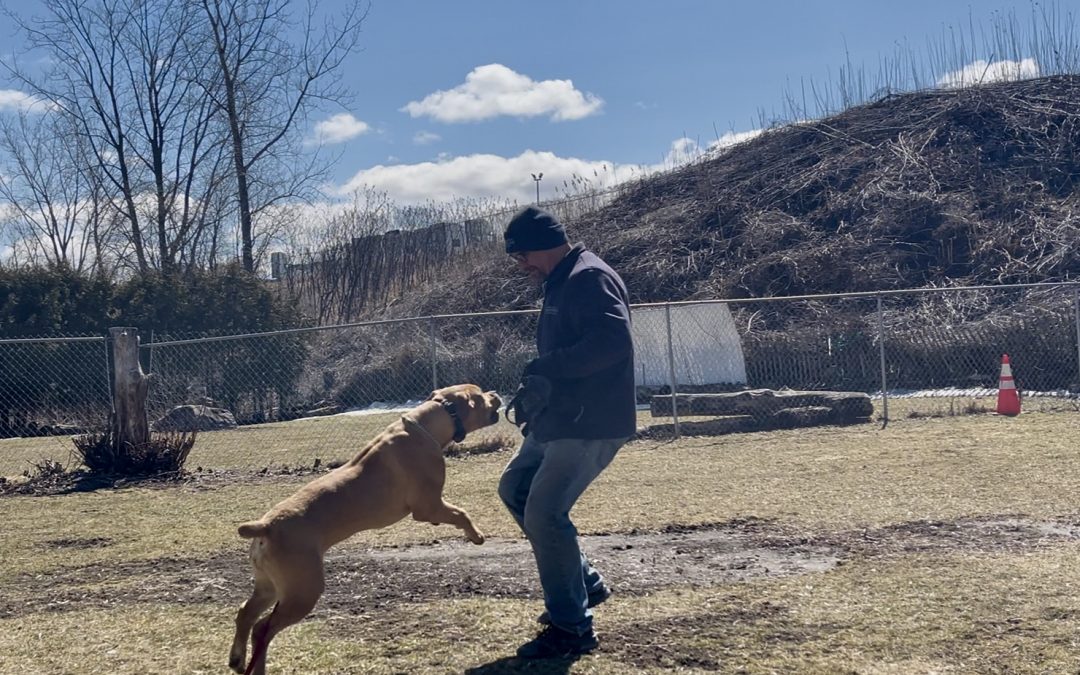
Play with purpose isn’t about simply tiring your dog out—it’s a game-changer for building better behavior, increasing engagement, and creating an unbreakable bond between dog and handler. Whether you’re raising a playful pet or training a serious working dog, structured play is a massively underrated tool that can revolutionize your training approach.
If you’re ready to turn everyday playtime into an invaluable training asset, let’s dive into why and how play with purpose can transform your relationship with your dog.
What Exactly Is “Play With Purpose”?
Play with purpose means intentionally structuring play to achieve specific goals beyond simple physical exercise. It’s about directing your dog’s natural instincts and drives into productive behaviors that build skills, confidence, and cooperation.
Think tug-of-war is just a fun game? When used strategically, it becomes a powerful method to teach your dog impulse control, improve bite inhibition, and boost focus and responsiveness during training sessions. Fetch becomes a training drill that reinforces recall, obedience, and engagement. Every game you play becomes an opportunity to teach critical skills that transfer directly into everyday life.
How Structured Play Builds Engagement (and Why It Matters)
When a dog is actively engaged, training becomes easier, and behavior improves significantly. Play with purpose helps dogs see their handlers as the ultimate source of reward, excitement, and fulfillment, which strengthens the bond and cooperation between dog and handler.
By using structured play, you’re tapping into your dog’s instinctual drives—prey, chase, possession—and redirecting them in positive ways. This not only makes training sessions more effective, but it also boosts your dog’s motivation to work for and with you.
Examples of Structured Play Games:
- Tug-of-War: Teaches boundaries, impulse control, and creates an opportunity to practice commands such as “drop it,” “wait,” and “take it.”
- Fetch: Reinforces recall, self-control, and can even include obedience commands like “sit,” “stay,” or “heel” between throws.
- Flirt Poles: Great for channeling chase instincts into a productive activity while teaching commands like “leave it,” “wait,” or “out.”
Practical Tips to Incorporate Play With Purpose into Your Routine
Set Clear Rules and Expectations
Every game should have rules. Your dog must understand when the game starts, pauses, or stops. Consistent boundaries encourage respect and discipline.
Use Play to Reinforce Obedience
Include basic commands throughout your play sessions. For instance, practice “sit,” “stay,” and “come” before throwing a ball or starting a tug game. Reward prompt responses with enthusiastic play, reinforcing obedience with the ultimate motivator—fun!
Balance Excitement with Control
Structured play should balance excitement with control. High-energy moments must be balanced with calm, controlled breaks, preventing overstimulation or frustration. Alternating between play and calm commands like “place” or “down” helps your dog regulate energy and stay attentive.
Avoid Common Mistakes in Structured Play
- Playing without structure: Aimless, uncontrolled play may teach undesirable behaviors like jumping or mouthing.
- Inconsistent rules: Dogs thrive on predictability. Changing rules mid-game confuses them and weakens your training.
Linking Play With Purpose to Better Behavior
Behavioral issues often stem from unmet needs. Dogs that regularly participate in structured play have their physical, mental, and emotional needs better satisfied, reducing behaviors like destructive chewing, excessive barking, or hyperactivity. They’re happier, calmer, and significantly easier to manage because their energy is effectively channeled into structured, positive activities.
Additional Resources for Enhanced Learning
To deepen your understanding and enhance your dog’s structured play experience, consider the following resources:
And don’t forget to explore our Programs, designed specifically to leverage structured play techniques in professional dog training.
Conclusion:
Play with purpose is far more than a simple pastime—it’s a critical training strategy to unlock your dog’s potential. When done intentionally, playtime becomes your most powerful training tool, helping build a deeper bond and better behavior, one game at a time.
Recent Comments